What Is Chromexcel Leather, How It’s Made & Why It Ages So Well
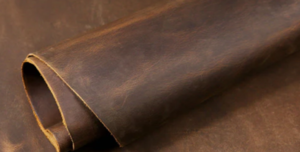
Chromexcel leather is one of the most recognisable and respected leathers in the world. Known for its deep pull-up effect, rich tones, and ability to age with character, it sits firmly in the premium category of leather finishes.
But what makes Chromexcel leather so distinctive is not just how it looks—it’s how it’s made, how it behaves over time, and how it can be carefully restored and maintained. It’s not a leather where perfection is needed, it’s about building characters over time not from the moment you purchase it.
If you are looking for buttery, super soft, flexible leathers then Chromexcel is not for you as during winter and colder months it can be a very stiff leather.
What Is Chromexcel Leather?
Chromexcel is a combination-tanned leather, originally developed by Horween Leather Company. It blends chrome tanning with vegetable re-tanning, followed by an intensive hot-stuffing process.
This results in a leather that is:
- Deeply conditioned with oils and waxes
- Naturally supple and flexible
- Capable of producing a strong pull-up effect
- Highly responsive to touch, heat, and movement
Unlike heavily pigmented modern leathers, Chromexcel is designed to be lived in—not covered up.
How Chromexcel Leather Is Made
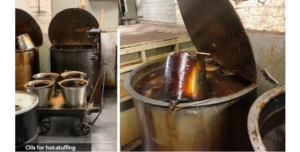
Picture thanks to Horween Leather company
The production process is what defines Chromexcel leather and separates it from standard finishes.
- Base Hide Selection
Chromexcel typically starts with high-quality bovine hides, most commonly full-grain or top-grain leather. These hides retain their natural structure, allowing the oils and waxes to penetrate deeply.
- Chrome Tanning – Step 1
The initial chrome tanning stabilises the collagen fibres, making the leather durable, flexible, and resistant to moisture.
- Vegetable Re-Tanning – Step 2
The leather is then re-tanned using natural tannins. This adds body, richness, and depth—giving Chromexcel its distinctive feel and structure.
- Hot Stuffing – Step 3
This is the defining stage. The hides are infused with a proprietary blend of:
- Natural oils
- Greases
- Waxes
These are driven deep into the leather using heat and pressure. This saturation is what gives Chromexcel its signature movement and tonal variation.
- Hand Finishing
The leather is then hand-finished, allowing natural variations to remain visible. This is intentional — perfection is not the goal; character is.
Understanding the Pull-Up Effect
One of the most defining characteristics of Chromexcel leather is its pull-up.
When the leather is stretched or flexed:
- Oils and waxes shift within the fibre structure
- Lighter tones appear in high-stress areas
- The surface dynamically changes colour
This is not damage—it is the leather expressing its construction. It builds character and can easily be fixed.
Why Chromexcel Can Appear Lighter Over Time
Unlike pigmented leather, Chromexcel is not sealed with a heavy coating. As a result:
- Movement redistributes oils and waxes
- Friction and use can temporarily lighten areas
- Surface waxes can migrate or dull with wear
This is why high-contact areas often appear lighter or more matte.
However, this is also why Chromexcel is highly recoverable, it may appear faded, but in most cases there is a quick fix for this with a little gentle heat.
Reforming the Surface: Heat, Oils & Wax Activation
One of the most unique properties of Chromexcel leather is its ability to be reactivated.
By applying controlled, gentle heat:
- The embedded oils and waxes soften
- They begin to migrate back towards the surface
- The leather regains depth, richness, and darker tone
This process is often referred to as “reforming” the finish. As well as using gentle heart to reform the surface, even rubbing your fingers over the surface creates some friction heat and begins redistributing the oils and waxes.
Important Considerations
- Heat must always be controlled—never excessive
- The goal is activation, not drying or damage
- Even distribution is key to avoid patchiness
When carried out correctly, this technique can dramatically improve the appearance without adding unnecessary products. Key to this type of leather is the less product introduced the better.
Maintaining Chromexcel Leather Correctly
Chromexcel leather does not require aggressive cleaning or heavy coatings. In fact, over-processing can reduce its natural character.
A structured approach should include:
Cleaning
Only use a gentle, leather-specific cleaner designed to remove surface contaminants without stripping oils. An aniline cleaner is best suited for this process.
Conditioning
Only condition when required. Chromexcel is already oil-rich—over-conditioning can overload the structure.
Surface Rebalancing
Where lightening or dullness appears:
- Use controlled heat
- Allow oils and waxes to redistribute naturally
Protection
Avoid sealing the surface with heavy coatings. It forms best when it can breathe and move.
Chromexcel Evolves Over Time
This type of leather is not designed to stay static—it is designed to evolve.
Its beauty comes from:
- Movement
- Wear
- Interaction
Understanding how it is made allows you to work with the material, not against it.
Rather than trying to make Chromexcel behave like a pigmented leather, the goal should always be to preserve its natural character while guiding its ageing process with care and control.